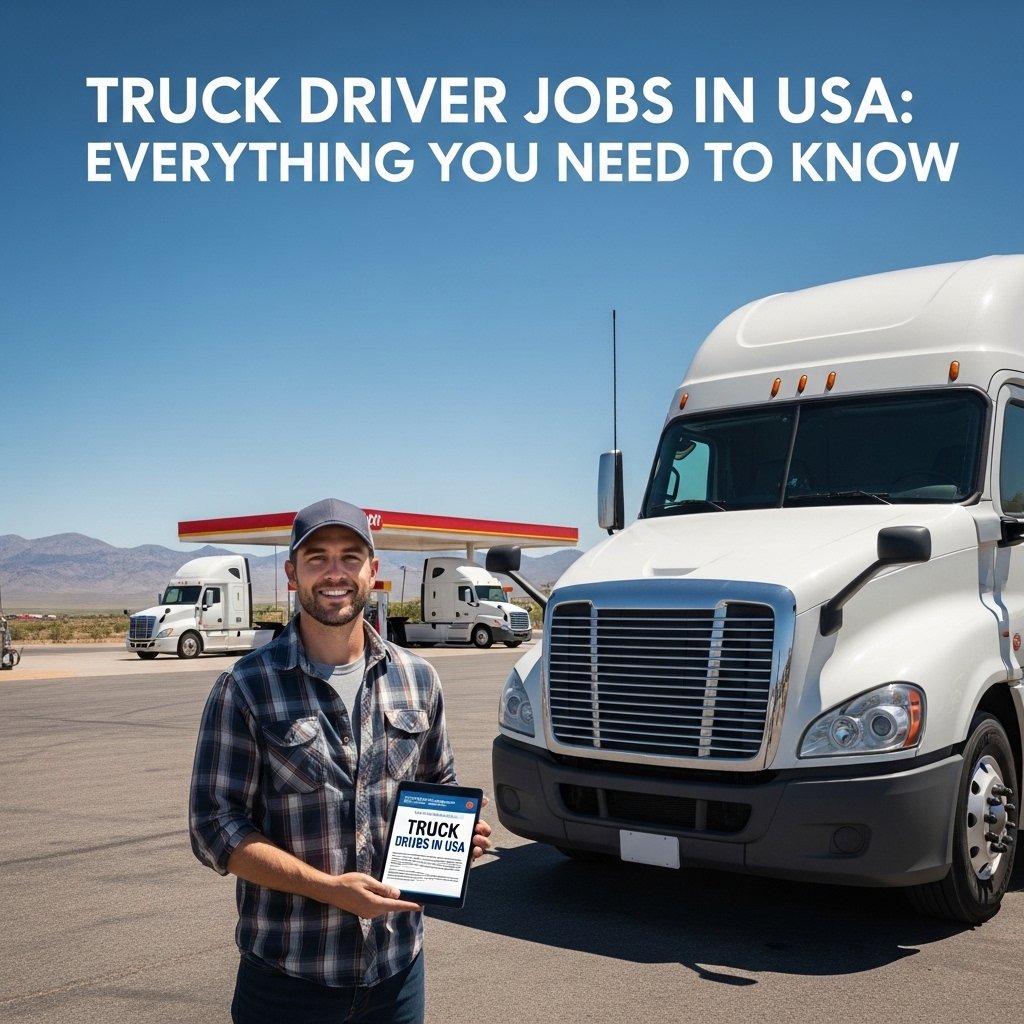
There’s something undeniably American about the open road. Miles of highway stretching ahead, the hum of a diesel engine, and the quiet satisfaction of knowing that the goods keeping this country running are moving because of you. Truck driving isn’t just a job — for millions of people, it’s a career that offers freedom, stability, and a paycheck that a lot of desk jobs can’t match.
If you’ve been thinking about getting into trucking, or you’re already in the industry and want to understand your options better, this guide breaks down everything that matters — from licensing requirements to salary expectations, the best companies hiring right now, and what daily life actually looks like behind the wheel.
Why Truck Driving Remains One of America’s Most In-Demand Careers
The American economy runs on trucking. According to the American Trucking Associations, trucks move roughly 72% of all freight in the United States. That’s food, medicine, construction materials, electronics, clothing, essentially everything that ends up on store shelves or at your front door passed through a truck at some point.
What that means for job seekers is simple: demand for qualified truck drivers is not going away. In fact, the industry has been dealing with a significant driver shortage for years. The Federal Motor Carrier Safety Administration and various industry groups have repeatedly flagged the gap between how many drivers are needed and how many are actually available. For anyone looking for long-term job security, this is about as stable a field as you’ll find.
The rise of e-commerce has made things even more intense. As online shopping continues to grow year over year, last-mile delivery and long-haul freight needs are expanding simultaneously. Companies are not just looking for drivers, they’re actively competing for them, which has driven up wages, signing bonuses, and benefits packages across the board.
Types of Truck Driver Jobs Available in the USA
One of the biggest misconceptions people have about trucking is that it’s one-size-fits-all. The reality is that there are several distinct categories of truck driving jobs, each with its own lifestyle, pay structure, and requirements.
Long-Haul or Over-the-Road (OTR) Driving is what most people picture when they think of trucking. These drivers cover thousands of miles per week, often spending extended time away from home, sometimes weeks at a stretch. The trade-off is that OTR drivers typically earn the highest pay, and many find the cross-country lifestyle genuinely appealing.
Regional Driving is a middle ground. Regional drivers operate within a specific geographic zone, which means they’re usually home on weekends or even every night, depending on the route. Pay is slightly lower than OTR in most cases, but the work-life balance is considerably better.
Local Driving keeps drivers close to home. These positions often involve making multiple deliveries in a city or surrounding area within a single shift. Think grocery distribution, beverage delivery, or construction material transport. Local drivers are home every night, but the job can be more physically demanding due to frequent loading and unloading.
Specialized Freight covers everything from flatbed hauling to tanker driving to hauling hazardous materials (HAZMAT). These roles typically require additional certifications and endorsements on your CDL, but they also come with higher pay to match.
Owner-Operator is the entrepreneurial path in trucking. Instead of driving for a company, you own your truck (or lease one) and either contract directly with shippers or work under a carrier’s authority. The earning potential is higher, but so is the financial responsibility and business complexity.
How to Get a Truck Driver Job in the USA: Licensing and Requirements
Before anything else, you need a Commercial Driver’s License (CDL). This is the gateway credential for virtually every professional truck driving job in the country, and understanding the process is critical.
There are three classes of CDL. Class A covers combination vehicles where the towed unit weighs more than 10,000 pounds this is what most long-haul truck drivers carry. Class B is for single vehicles over 26,001 pounds, commonly used for local delivery trucks and buses. Class C covers vehicles that don’t fall into A or B but are designed to transport 16 or more passengers or HAZMAT materials.
To get your CDL, you’ll need to be at least 18 years old for intrastate driving (within one state) or 21 for interstate driving across state lines. You’ll go through a medical examination to obtain a DOT medical certificate, pass a written knowledge test, and then a skills test that includes a pre-trip vehicle inspection, basic vehicle control, and an on-road driving test.
Most people attend a CDL training school, which can range from a few weeks to a few months depending on the program. Costs vary widely — from around $3,000 to $10,000 at private schools — but many trucking companies now offer paid CDL training programs where they cover your school costs in exchange for a commitment to drive for them for a set period after you get licensed. This is one of the most common entry points for new drivers and genuinely removes the financial barrier that stops a lot of people.
Beyond the basic CDL, certain jobs require endorsements. A HAZMAT endorsement requires a background check and additional testing. A tanker endorsement is needed for liquid cargo. Double/triple trailer endorsements cover those longer combination vehicles you see on western highways. Each endorsement expands your job options and earning potential.
Truck Driver Salaries in the USA: What Can You Actually Earn?
Let’s talk money, because this is usually what people want to know most.
The median annual salary for heavy and tractor-trailer truck drivers in the United States, according to the Bureau of Labor Statistics, sits around $54,000 to $60,000. But that number doesn’t tell the full story, because pay in trucking varies dramatically based on the type of freight, the company, your experience level, and whether you’re an employee or an owner-operator.
Entry-level drivers coming out of company-sponsored CDL programs might start around $45,000 to $50,000 annually. Within a few years of experience, many drivers comfortably earn $65,000 to $80,000. Specialized drivers hauling flatbed freight, tankers, or HAZMAT regularly clear $80,000 to $100,000. Owner-operators with established routes and good contracts can earn well over $100,000 though after truck payments, fuel, insurance, and maintenance, net income varies considerably.
Many companies have also added significant perks to attract drivers. Signing bonuses ranging from $5,000 to $15,000 are common at major carriers. Health insurance, retirement plans, paid time off, and per diem pay for meals and expenses are now fairly standard at reputable companies. Some carriers offer performance bonuses tied to safe driving records and fuel efficiency.
Pay structures also differ. Some companies pay by the mile, which means your earnings are directly tied to how much you drive. Others offer hourly pay, which is more common in local driving roles. Still others use a combination of mileage pay and bonuses.
Top Companies Hiring Truck Drivers in the USA
The trucking industry includes thousands of carriers ranging from small regional operations to massive national fleets. Some of the most recognized companies consistently hiring drivers include Werner Enterprises, J.B. Hunt Transport, Schneider National, Swift Transportation (now part of Knight-Swift), and Prime Inc. These large carriers are generally good starting points for new drivers because they have established training programs, equipment that’s regularly maintained, and benefits packages that smaller operations can’t always match.
On the other end of the spectrum, Amazon Freight, UPS, FedEx Freight, and grocery distribution companies like McLane and SYSCO hire large numbers of local and regional drivers. These positions are highly sought after because of their schedule predictability and strong benefits.
The trucking job market has also become significantly more accessible through load boards and digital platforms that connect drivers with available freight, making it easier than ever for owner-operators to find consistent work without relying exclusively on one company.
What Daily Life Actually Looks Like as a Truck Driver
There’s a version of trucking that gets romanticized the lone wolf on the highway, country music playing, watching sunrises over the Rockies. That’s real, and many drivers genuinely love those aspects of the job. But it’s worth being clear-eyed about the full picture.
Long-haul trucking involves significant time away from family. Federal Hours of Service regulations limit drivers to 11 hours of driving within a 14-hour window, followed by a mandatory 10-hour rest period. This means your schedule is structured around those rules, and when you’re away on a multi-week run, your social life at home essentially pauses.
The physical demands are real as well. While driving itself isn’t physically strenuous, loading and unloading (when required), climbing in and out of the cab repeatedly, and long hours of sitting take a toll over time. Maintaining good health habits on the road eating well at truck stops, getting exercise during rest periods requires deliberate effort.
On the other hand, regional and local driving jobs offer a lifestyle that’s much closer to a traditional schedule. Many local drivers work Monday through Friday with weekends off, which makes trucking genuinely compatible with family life for people willing to take the modest pay trade-off.
The trucking community itself is tighter than outsiders might expect. There’s a culture of mutual respect on the road, shared understanding of the challenges, and a real sense of pride in the work. Experienced drivers often describe a sense of independence and ownership over their work that’s hard to replicate in an office environment.
Is Trucking the Right Career for You?
The best candidates for truck driver jobs in the USA tend to share a few characteristics. They’re reliable and disciplined, because the job demands consistency loads need to arrive on time, logs need to be maintained accurately, and safety regulations need to be followed without shortcuts. They’re comfortable with solitude, at least for extended periods, though the growing availability of communication technology has made staying connected much easier than it used to be. And they’re mechanically inclined enough to perform basic vehicle inspections and recognize when something isn’t right with the truck.
If you have a clean driving record, a clean background, and the willingness to go through CDL training, there are very few career paths in America that will hire you without a college degree, pay you a solid middle-class income, and offer genuine job security the way trucking does. The barrier to entry is real but manageable, and the upside is substantial.
Frequently Asked Questions About Truck Driver Jobs in the USA
How long does it take to become a truck driver in the USA? The timeline depends on your route. CDL training programs at private schools typically run four to eight weeks. Company-sponsored programs can range from three to six weeks of classroom and on-road training combined. After completing training and passing your CDL tests, you’re eligible to drive commercially though most carriers pair new drivers with experienced mentors for an additional period before they go solo.
Do I need experience to get a truck driving job? Not necessarily. Many large carriers actively recruit entry-level drivers and provide paid training. If you’re starting from zero, company-sponsored CDL programs are designed specifically for people with no prior experience.
What disqualifies you from getting a CDL? Certain criminal convictions, particularly those involving drugs or alcohol, driving-related felonies, or serious traffic violations, can disqualify applicants. DUI convictions are taken especially seriously. A failed DOT medical exam due to certain health conditions can also disqualify you. Each situation is somewhat individual, so it’s worth researching your specific circumstances.
Can foreigners get truck driver jobs in the USA? Foreign nationals with valid U.S. work authorization including green card holders can obtain a CDL and work as truck drivers. However, you must be legally authorized to work in the United States. CDL applicants must also have a U.S.-issued Social Security number.
What is the difference between a company driver and an owner-operator? A company driver works as an employee for a trucking carrier, driving the company’s trucks and receiving a regular paycheck with benefits. An owner-operator owns or leases their own truck and either contracts directly with shippers or leases their authority to a larger carrier. Owner-operators have more control and higher earning potential but also carry more financial risk and business responsibility.
Is truck driving a good career long-term? For the right person, absolutely. The demand for drivers is structural and unlikely to change dramatically in the near term. While autonomous vehicle technology exists on the horizon, industry experts widely agree that full automation of long-haul trucking is still many years away from practical reality, and even then it’s expected to shift rather than eliminate the driver workforce. In the meantime, experienced drivers with clean records and specialized endorsements are in a strong position to negotiate competitive compensation.
How do I find truck driving jobs near me? Job boards like Indeed, CDLjobs.com, and TruckingTruth are popular starting points. Carrier websites post openings directly, and many companies have dedicated driver recruiting teams you can contact. Attending trucking industry job fairs, particularly those organized around CDL schools, is also an effective way to connect with multiple companies at once.